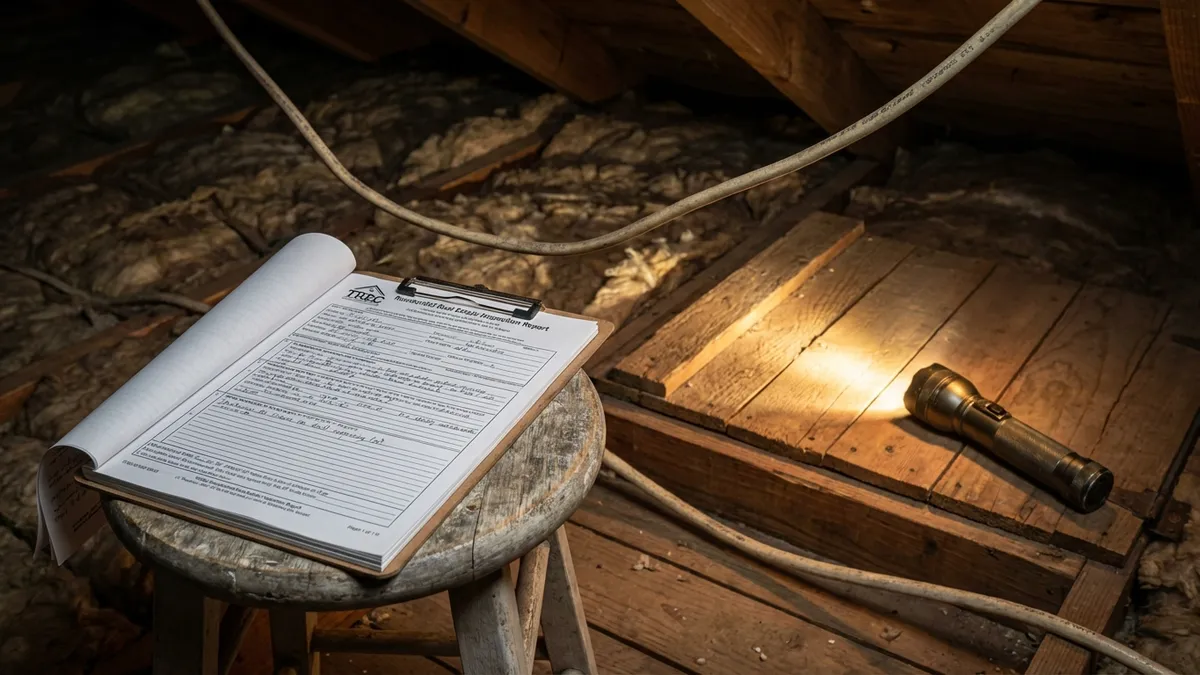
Richardson Home Inspections: Essential Tips for Spring 2026
Richardson Home Inspections: Essential Tips for Spring 2026 Buyers
Buying a home in Richardson, Texas, this spring? A thorough home inspection is non-negotiable for protecting your investment. This guide will walk you through everything you need to know about Richardson home inspections for Spring 2026, from understanding Texas Real Estate Commission (TREC) standards and common findings to leveraging the report for negotiations and navigating new state rules.
Richardson's dynamic real estate market demands a detailed understanding of the home inspection process. A significant percentage of Texas home inspections uncover deficiencies requiring repair, securing a comprehensive inspection is your best defense against unexpected costs and future headaches. Melissa Weiner, an elite real estate agent with Trust Real Estate, is dedicated to ensuring her clients are fully informed and empowered throughout their home-buying journey.
What Texas Home Inspectors Must Check: TREC Standards Every Richardson Buyer Should Know
Texas home inspectors operate under strict guidelines to ensure buyers receive a thorough and standardized evaluation of a property. All Texas home inspectors are required to follow TREC's Real Estate Inspector Standards of Practice (22 TAC 535.227-535.233). These standards mandate a detailed visual inspection of accessible systems and components, ensuring nothing critical is overlooked.
Key areas covered by TREC standards include:
- Structural Components: Foundation, grading, drainage, roof structure, walls, ceilings, floors, doors, windows, and fireplace systems.
- Electrical Systems: Service entrance, main and sub-panels, branch circuit conductors, outlets, and lighting fixtures.
- HVAC Systems: Heating equipment, cooling equipment, and duct systems.
- Plumbing Systems: Water supply, distribution, drain, waste, vent systems, water heaters, and hydro-massage therapy equipment.
- Appliances: Dishwashers, food waste disposers, ranges, ovens, cooktops, microwaves, and trash compactors.
- Garage Doors & Openers: Operation and safety features.
- Attics & Crawl Spaces: Ventilation, insulation, and accessible structural elements.
- Roofing: Roof coverings, flashings, skylights, chimneys, and roof drainage systems.
Since February 1, 2022, inspectors must also provide buyers with the mandatory TREC Property Inspection Report Form (REI 7-6). This standardized form ensures consistency in reporting findings, making it easier for buyers to understand the condition of the home and compare reports. It also prohibits abbreviated or walkthrough inspections, meaning inspectors must adhere to the full Standards of Practice to avoid disciplinary action from the Texas Real Estate Commission.
Common Home Inspection Findings in Texas: Roof, Electrical, and Water Heater Issues
Even in well-maintained homes, inspections frequently identify areas needing attention. Many Texas home inspections identify deficiencies requiring repair. Knowing what to expect can help you prepare for negotiations and prioritize potential fixes.
Among the most common findings are:
- Roof Issues: Common findings include damaged or missing shingles, improper flashing, drainage problems, or advanced wear indicating the roof is nearing the end of its lifespan. Address these promptly, as they can lead to leaks and significant structural damage.
- Electrical Problems: Common concerns include outdated wiring, ungrounded outlets, improper DIY electrical work, or issues with the service panel that can pose fire hazards or inhibit proper appliance function.
- Water Heater Failures: Signs of leaks, corrosion, inadequate capacity, or an aging unit can signal that a water heater replacement is imminent.
- Air Conditioning Defects: These issues can range from minor maintenance needs like dirty coils to major compressor issues or Freon leaks, impacting efficiency and comfort.
Other common, but less frequent, issues include foundation movement, plumbing leaks, and issues with grading and drainage. Understanding these prevalent problems allows buyers to approach the inspection report with a focused perspective and prioritize necessary repairs.
How to Use Richardson Home Inspection Reports to Negotiate a Lower Purchase Price
The home inspection report is a powerful tool in your home-buying arsenal, especially for negotiation. Many Texas home buyers leverage inspection reports to negotiate better purchase prices or request seller credits for repairs. Melissa Weiner and her team can guide you through effectively using this information.
Here's how to maximize your inspection report's negotiation potential:
- Prioritize Repairs: Not every deficiency warrants a price reduction. Focus on major structural issues, safety hazards (electrical, gas leaks), and expensive system repairs (HVAC, roof, foundation). Minor cosmetic flaws are less likely to sway a seller.
- Get Repair Estimates: For significant issues, obtain quotes from licensed contractors. This provides concrete figures to back up your negotiation requests.
- Formulate a Clear Request: Work with your real estate agent to draft a formal amendment to the purchase agreement. You can request:
- Price Reduction: A direct reduction in the agreed-upon sales price.
- Seller Credit: Money provided by the seller at closing to cover repair costs (often preferred as it keeps the loan amount stable).
- Seller-Paid Repairs: The seller completes the repairs before closing, usually with a stipulation for reinspection to confirm quality.
- Be Prepared to Compromise: Negotiation is a give-and-take. Sellers might offer a partial credit or agree to fix certain items while you cover others. The goal is a fair outcome for both parties.
Remember, your real estate agent plays a crucial role in these negotiations. Their experience can help you determine what's reasonable to ask for and how to present your case most effectively. For more insights into the buying process, visit our home buying guide at [/buying].
Richardson Home Inspection Timeline: What to Expect in 2-4 Hours
So, what actually happens during a home inspection? A typical Texas home inspection takes 2-4 hours, providing a detailed visual inspection of the property's key components. This isn't a quick walk-through; it's a methodical process designed to uncover potential issues.
During this time, the inspector will:
- Examine the Exterior: This includes the roof, chimney, gutters, drainage, and foundation.
- Assess Structural Integrity: Inspecting accessible areas of the foundation, framing, and load-bearing elements.
- Evaluate Plumbing Systems: Checking water pressure, drains, water heaters, and visible pipes for leaks or corrosion.
- Test Electrical Systems: Examining the service panel, outlets, switches, and wiring for safety and functionality.
- Inspect HVAC Systems: Operating the heating and cooling systems, checking filters, ducts, and visible components.
- Review Appliances: Operating permanently installed appliances like dishwashers, ovens, and garbage disposals.
- Check Interior Elements: Examining walls, ceilings, floors, doors, and windows for proper function and condition.
- Visit Attic & Crawl Spaces: Assessing insulation, ventilation, and visible structural components.
The inspector will also operate all fixed equipment and appliances, ensuring they are in working order. It's highly recommended that buyers attend the inspection. This allows you to ask questions on-site, observe the inspector's process, and gain a clearer understanding of any identified issues. The inspector can explain findings verbally, which complements the written report you will receive.
New 2026 Texas Real Estate Rules: Updates for Spring Home Buyers
As of January 1, 2026, new Texas real estate rules may have been implemented affecting the home buying process. While the specific details of these rules require careful review and are subject to real-time legislative changes, it's crucial for spring 2026 buyers to be aware that the regulatory landscape is subject to change. Melissa Weiner stays abreast of all legislative updates to ensure her clients are always fully informed and compliant with the latest regulations.
Although specific details on potential 2026 changes are pending further investigation, these rules often aim to enhance transparency, consumer protection, or streamline transaction processes. Buyers should consult with their real estate agent for the most current information regarding how these updates might impact their home purchase in Richardson. Staying informed will ensure a smoother transaction.
Richardson Building Inspection Requirements: What Spring 2026 Buyers Need to Know
Richardson, Texas, demonstrates a proactive approach to maintaining residential quality, which can work to a buyer's advantage. While a private home inspection focuses on the property's overall condition, awareness of city inspection processes provides additional layers of assurance.
Here are some local insights for Richardson buyers:
- City Building Inspections: Richardson building inspections are performed twice daily by city staff. If requests are submitted before 8 a.m., they are typically scheduled between 8:30–11:30 a.m. This structured approach offers buyers flexibility in coordinating their private inspections during the active spring 2026 home purchasing season.
- Multifamily Inspections: Richardson has a robust multifamily inspection program. All apartment complexes older than five years undergo annual city inspections conducted by representatives from Community Services, the Health Department, the Fire Marshal's Office, and the Police Department. While this specifically applies to rental properties, it indicates the city's active oversight of residential quality. In instances where a former rental property is transitioning to owner-occupied sales, this history of city scrutiny may correlate with fewer underlying issues.
- New Single-Family Homes: For those considering new construction in Richardson, standard city permitting processes apply. The Building Inspection contact at 972-744-4164 provides a direct municipal resource for inspection-related questions. This suggests that new homes also undergo various stages of city oversight during construction.
This high level of scrutiny from the city benefits spring buyers by providing an extra layer of oversight, potentially reducing the likelihood of major safety or structural issues, particularly in older multifamily dwellings or new builds that have passed municipal checks. Richardson's proximity to the DFW metro area also means buyers should expect adherence to DFW-standard TREC inspection protocols and market conventions.
Spring Home Inspection Negotiation Tactics: Many Texas Buyers Save Thousands
Leveraging the home inspection successfully is about strategic negotiation. The fact that many Texas home buyers use inspection reports to negotiate lower purchase prices is a powerful reminder of this report's financial value. These negotiations can result in thousands of dollars saved, either through a reduced price or credits at closing.
Melissa Weiner's experience across Texas, including the competitive North Dallas markets such as Plano and Frisco, positions her to provide expert guidance on these critical negotiations. She understands the nuanced approaches required in different market conditions.
Consider these tactics for your Spring 2026 Richardson home purchase:
- Focus on Health and Safety Items: These are non-negotiable for most buyers. Prioritize asbestos, lead paint, mold, major electrical hazards, or serious structural flaws.
- Distinguish Between Minor and Major: A worn-out faucet is minor; a leaking roof or failing HVAC system is major. Concentrate your negotiation efforts on the latter.
- Consider Market Conditions: In a hot seller's market, you might have less leverage for minor repairs. In a balanced or buyer's market, you may have more room to negotiate for a broader range of issues.
- The Power of a Re-inspection: If the seller agrees to make repairs, request a re-inspection by your original inspector to verify the work was completed correctly and professionally. This protects your interests and ensures quality.
- Don't Rush: Take the time to understand the report fully and consult with your real estate agent and potential contractors before making any demands. Rushed decisions can lead to overlooking critical details.
Ultimately, the goal is to enter your new Richardson home with confidence, knowing you've addressed significant issues or accounted for their costs. A well-executed inspection and negotiation strategy can prevent costly surprises down the line.
Frequently Asked Questions About Richardson Home Inspections
Can a home inspector fail a house in Texas?
No, a home inspector does not "fail" a house. Their role is to provide an objective report on the property's condition, identifying defects and safety concerns. The decision to proceed with the purchase, negotiate repairs, or walk away remains with the buyer.
How long does a typical home inspection take in Richardson?
A standard Texas home inspection, adhering to TREC guidelines, typically takes 2 to 4 hours. The duration can vary based on the home's size, age, and overall condition.
What are the most common problems found in Texas home inspections?
While specific percentages vary, common deficiencies found in Texas home inspections often include roof issues, electrical problems, water heater failures, and air conditioning defects.
Are there new real estate rules for 2026 that affect home inspections in Texas?
Yes, new Texas real estate rules may have been implemented as of January 1, 2026. While specific details would need to be reviewed with your real estate agent, these updates may impact various aspects of the homebuying process, including inspection-related procedures or disclosures. Melissa Weiner stays informed on all such changes.
Why is a home inspection important for a Spring 2026 home purchase in Richardson?
A home inspection is crucial for a Spring 2026 purchase in Richardson as it uncovers potential costly issues before buying, empowers you to negotiate a better price or request repairs, and provides peace of mind. Given that many Texas inspections find deficiencies, it's an essential safeguard for your investment.
Secure Your Richardson Home with Confidence
Navigating the home inspection process in Richardson for Spring 2026 may seem daunting, but with the right knowledge and an expert real estate agent, it becomes a powerful tool. Understanding TREC standards, knowing common issues, and leveraging the inspection report for negotiation are vital steps to a successful home purchase.
Whether you're exploring Richardson or any other community in North Dallas, Melissa Weiner with Trust Real Estate is your dedicated partner. With unparalleled expertise across all of Texas, she and her team are committed to guiding you through every detail, ensuring your interests are protected and your home-buying experience is smooth and successful. Do not hesitate to secure your dream home with confidence this spring.
Get in touch with Melissa today to discuss your Richardson home buying strategy.
Sources & References
- Constellation Energy
- TREC: What Consumers Should Know About Texas Property Inspections
- TREC: Online Standards of Practice
- ASHI: Home Inspection Requirements for Texas
- The Home Inspectors: TREC Updates
- City of Richardson: Permits
- City of Richardson: Building Inspection Contact Us & FAQ
- City of Richardson: New Single-Family Homes
- 360 Real Estate DFW: 2026 New Texas Real Estate Rules
- Texas Real Estate Commission (TREC) - Standards of Practice 22 TAC 535.227-535.233

About the Author
Melissa Weiner
Real Estate Agent · Trust Real Estate · Dallas/Fort Worth, TX
Melissa Weiner is a dedicated, licensed real estate professional proudly serving clients throughout Texas. Whether you're purchasing your first home, selling a property, upgrading, navigating a lifestyle change, or relocating (military/corporate) with confidence — Melissa combines unwavering integrity, sharp negotiation skills, and exceptional client-focused service to deliver outstanding results.
This article's content is written from publicly available data, market reports, and web-referenced sources believed to be reliable at the time of publication. Information is subject to change daily and does not constitute legal, financial, or real estate advice. Please consult a qualified professional for guidance.